

Lately, the interest surrounding eco-friendly pest control methods has led to new solutions that not only solve the problem but also adopt sustainable practices. Among these, wood bee traps have become as a popular choice for those looking to manage bee populations in their green spaces and outdoor spaces. These traps provide a distinct blend of functionality and design, making them a practical and attractive option for homeowners.
Wood bee traps are made to lure and ensnare bees without damaging them, allowing for a gentle approach to pest management. With Carpenter Bee House on using natural materials, these traps can effortlessly integrate into various landscapes while providing an effective means of controlling bee populations. This article explores the creative designs and functionality of wood bee traps, highlighting how they can help gardeners maintain a friendly relationship with nature while preventing unwanted bee activity at bay.
Grasping Wood Bee Actions
Wood bees, commonly known as wood bees, are recognized by their recognizable look and nesting behavior. These bees are primarily independent and can be easily identified by their big, hairy bodies and glossy abdomens. In contrast to honeybees, wood bees do not form colonies but rather create single nests. They typically select soft, untreated wood such as cedar or fir to tunnel into, creating tunnels where they lay their eggs. This behavior is essential for their breeding, yet it can lead to significant damage in wooden structures if not controlled properly.
In terms of their lifecycle, wood bees emerge in the spring after wintering during the winter months. Male bees often patrol nesting sites to protect their territory and lure females. These bees are primarily active during the daylight and are drawn to flowers for nectar and nectar, playing a critical role in plant fertilization. While they do not show aggressive tendencies, they can become defensive when provoked, which is an crucial factor to take into account when using control measures like wood bee traps.
Understanding these actions is essential for effective bee control. By recognizing where carpenterbeehouse and their times of activity, individuals can intelligently position wood bee traps in appropriate locations. This preventive approach helps to reduce potential damage to wooden structures while also maintaining the positive effects of wood bees in the environment. Using creative trapping designs not only helps in controlling their populations but also encourages a balanced relationship with these fascinating pollinators.
Creating Effective Wood Bee Trapping Systems
Building an optimal wood bee trap involves grasping the habits and preferences of bees. The structure must include aspects that attract bees at the same time ensuring they cannot get out once they are within. Many effective traps employ a bait system that simulates organic environments, such as the scent of decaying fruit or floral essences, which are known to attract wood bees. The perfect trap should be made from untreated wood, allowing it to blend seamlessly into its locale and reducing impact to the environment.
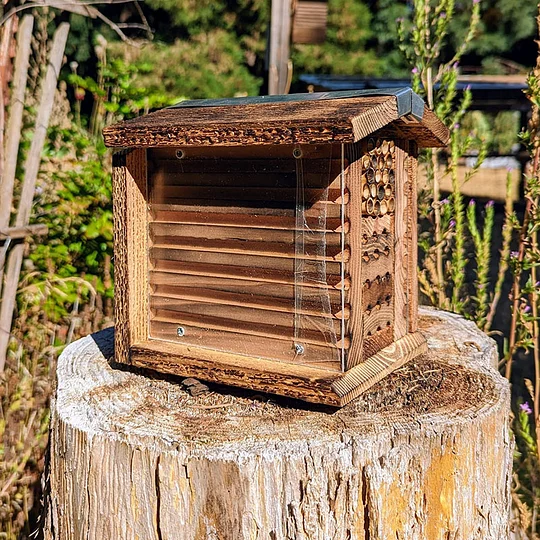
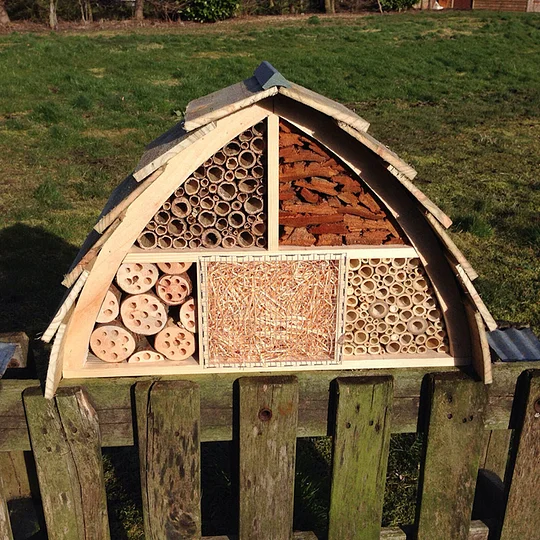
The structure of the trap is also important. It should feature an opening that is wide enough for wood bees to get in but not so large that it becomes useless. Adding a series of interior ledges or funnels can aid trapping, as these components block the bees from locating their way back out. Additionally, a deep catchment area will ensure that once the bees have gained entry the trap, they are unable to escape easily while also providing capacity for any trapped bees.
Finally, maintenance and placement are key to boosting the performance of wood bee traps. Regularly checking traps ensures that they stay functional and clear of debris. Traps should be placed in areas where wood bees are typically seen, such as along wooden structures or near flowering plants. To further augment the trap's attractiveness, coupling it with plant species attractive to bees can create a more alluring environment, boosting the probability of effective captures.
Eco-Friendly Resources and Methods
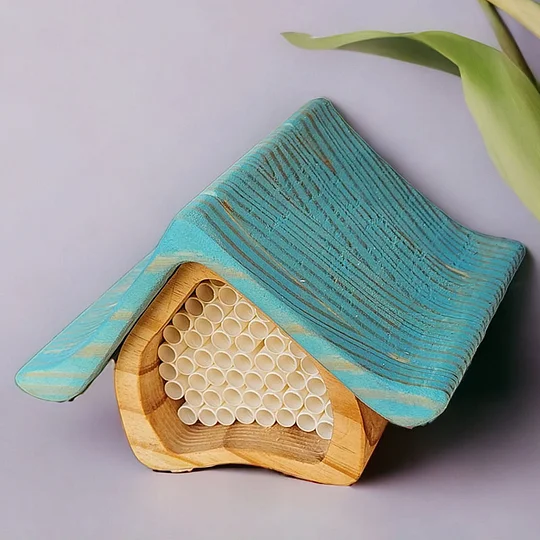
Making an effective wood bee trap starts with selecting the right materials that not only lure bees but also minimize environmental impact. Using renewable wood, such as bamboo or reclaimed timber, aids to eco-friendly practices and enhances the overall aesthetics of the trap. These materials are not only resilient but also provide a earthy look that integrates seamlessly into natural settings. By emphasizing Custom Bee House in the decision of materials, we can assist protect the environment while addressing bee populations.
In addition to the choice of wood, the assembly methods can significantly impact the trap's sustainability. Methods such as applying non-toxic adhesives and finishes ensure that the trap remains safe for both bees and additional beneficial insects. Including designs that support longevity, like weather-resistant coatings, aids reduce the frequency of replacements, ultimately leading to fewer waste. By employing these new building methods, we not only capture bees successfully but also champion a commitment towards nature.
In conclusion, the placement and maintenance of wood bee traps play significant roles in their effectiveness and sustainability. Positioning traps in strategic locations can enhance their efficiency, reducing the necessity for more traps. Carpenter Bee Hive , such as cleaning and inspecting for wear, ensures that the traps function optimally. This anticipatory approach not only prolongs the life of the traps but also strengthens the commitment to sustainable practices in managing bee populations.