

Carpenter bees, often overlooked, often overlooked in the world of pollinators that play a vital role in our ecosystems. These diligent insects are named for their extraordinary ability to bore nests out of wood, turning them into nature's small architects. Unlike honeybees, carpenter bees tend to be independent and build their own personal homes, which can often take the form of a series of tiny, neatly drilled holes in wooden structures.
These special hives are more than just ordinary nests; they are a showcase to the carpenter bee's incredible engineering skills. By excavating into untreated wood, the bees create a chain of chambers where they raise their young. Each hive is a carefully constructed space that showcases their instinctual prowess, highlighting the beauty and wonder of nature's designs. Understanding carpenter bee hives not only helps us value these remarkable insects but also sheds light on their crucial role in pollination and maintaining ecological balance.
Understanding Wood Bumblebees
These fascinating insects are intriguing creatures known for their unique look and special building practices. These big, dark and golden bees resemble bumblebees but can be identified by their reflective abdomens, which are less hairy and brighter. They serve a vital role in plant reproduction, helping a variety of florals and flowers thrive. By visiting blooms for sugar-rich liquids, they assist significantly to supporting biodiversity and supporting ecosystems.
Unlike a variety of other bee types, carpenter bees do not build their nests using wax; conversely, they dig tunnels in timber. https://www.carpenterbeehouse.com/collections/carpenter-bee-holes preferred nesting sites are often in soft, untreated wood, such as picket posts, timber siding, or decks. The female carpenter bee carpenter bee bores into the wood to create a set of compartments, laying eggs in the inside sections. This practice not only provides a protected environment for their offspring but also shows their extraordinary ability to manipulate their settings.
While certain homeowners may view carpenter bees as pests due to the damage they can inflict on wooden structures, their ecological benefits cannot be overlooked. By understanding their nesting practices and recognizing their role as pollinators, we can appreciate these little builders and consider ways to coexist with them while reducing prospective damage to our homes.
Hive Construction and Behavior
Carpenter bees are known for their distinct approach to hive construction, which sets them apart from many other bee species. They tend to nest in decayed wood or stalks, utilizing their robust mandibles to bore into the material. This method allows them to construct perfectly round tunnels that can stretch several feet. The interior surfaces of these tunnels are finished to provide a safer environment for their offspring, showcasing their extraordinary engineering talents.
As soon as the tunnels are constructed, females carpenter bees deposit their eggs within distinct chambers. They fill each chamber with a mixture of nectar and pollen, guaranteeing that the larvae have ample food upon coming out. carpenter bee house close these chambers using pulp created from the material have removed, which acts to protect the developing larvae from enemies and environmental conditions. https://www.carpenterbeehouse.com/collections/custom-bee-house to specifics highlights the diligent nature of carpenter bees in securing the continuation of their young.
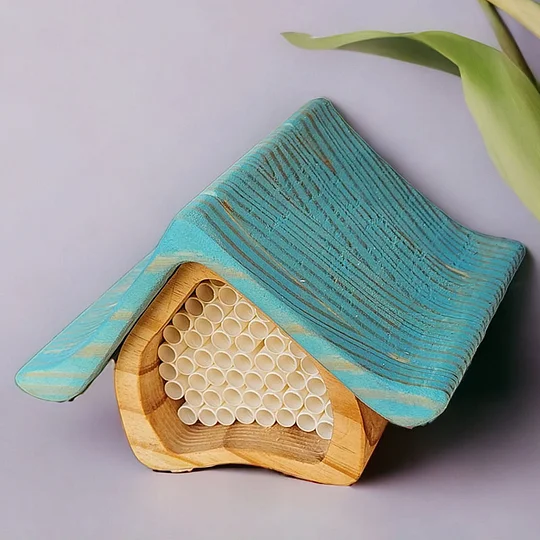
Males carpenter bees, on the other hand, do not take part in the building of the hive. Their function is mainly concentrated on defending the territory surrounding the nest and pairing with females. Males are often seen lingering near the opening of the hive, where they conduct in territorial displays, yet they do not have the power to do harm. https://www.carpenterbeehouse.com/collections/carpenter-bee-house within the hive emphasizes the joint behavior found in carpenter bee communities, centered the proficient and thoughtful building of their habitats.
Benefits and Challenges of Wood-Boring Bees
Wood-boring bees play a significant role in the ecosystem, primarily as agents of pollination. Their size and patterns make them particularly effective at pollinating a range of plants, including berries, vegetables, and blossoming plants. This advantage extends to green spaces and agricultural landscapes, where their activity enhances the overall well-being and output of plants. By aiding in plant reproduction, carpenter bees support variety in species and the provision of nutritional supplies.
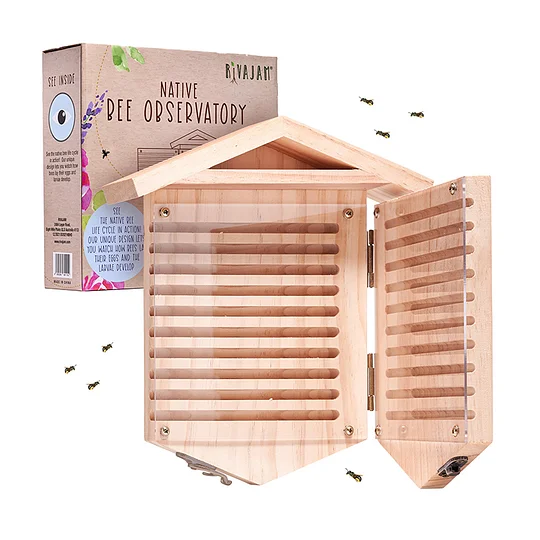
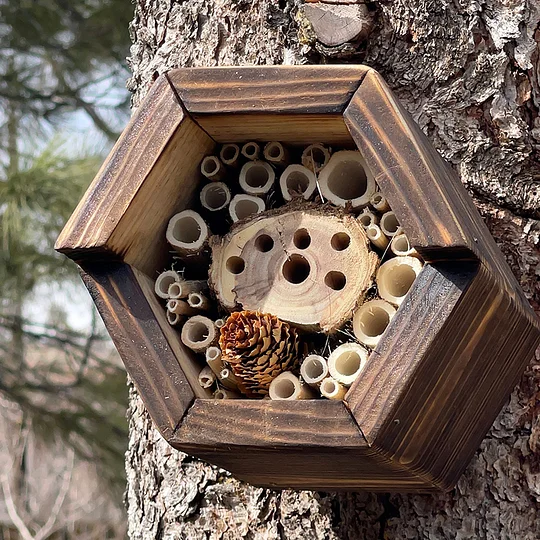
However, there are challenges associated with these bees, especially when it comes to their habitat construction. Unlike honeybees, carpenter bees do not build colonies but instead bore into timber to create single nesting chambers. This can lead to harm in wooden installations like porches, barriers, and exterior wood. Residents may find themselves dealing with the effects of these bees' nesting habits, which can necessitate repairs or protective actions to safeguard their property.
Controlling carpenter bees requires a harmony between valuing their ecological contributions and addressing the potential challenges they pose to wooden structures. Using non-toxic deterrents, filling old nesting sites, and promoting the existence of natural predators can help mitigate problems without harming the pollinators. Understanding this equilibrium is essential for those wishing to live harmoniously with such intriguing little architects in their gardens and houses.