

When warm weather arrives, many of us find ourselves relishing nature's splendor of nature and company of pollinators, particularly honeybees. But, with growing Carpenter Bee House in bees, you might see unwanted visitors in your yard or on your deck. Carpenter bees, even though innocuous yet essential for pollination, can sometimes create a nuisance when they nest in in unwanted areas. If you are looking for a method to handle these carpenter bee s without harming the environment, crafting a green trap for wood bees is a creative as well as eco-friendly answer.
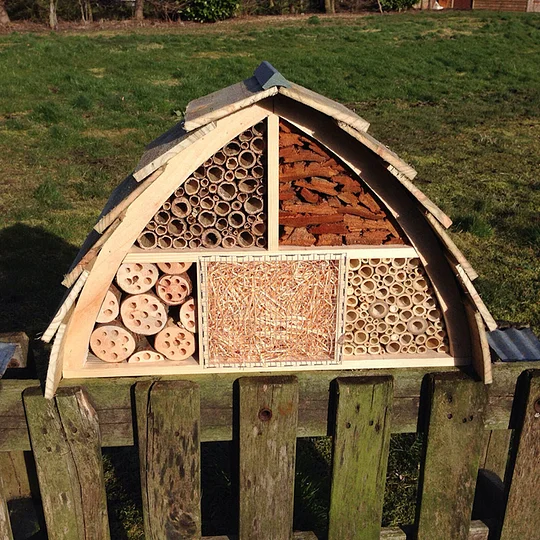
Creating a wood bee trap helps not just to control their population but also aligns into the growing movement of gardening that is eco-friendly. Using eco-friendly materials and easy methods, you are able to create an effective trap that lures these bees away from your house while redirects them to more suitable nesting areas. In the following sections, we will explore how to create your own wood bee trap, so you can ensure that you can enjoy the sounds of these important insects without the worry of their takeover of your area.
Supplies Required for Your Eco-Friendly Bee Trap
To create an environmentally friendly wood bee trap, you will need a selection of materials that are simultaneously renewable and effective. Begin with untreated wood, like cedar wood or pine, which is easily available and naturally resistant to decay. The wood will serve as the structure for your trap, providing a rustic look that harmonizes with your outdoor environment. Be cautious about using treated wood, as the chemicals can be detrimental to beneficial insects.
Following that, gather some natural twine or jute rope, which will be helpful for fastening different parts of your trap while avoiding synthetic materials. This allows the trap to break down naturally once it has served its function. Additionally, https://www.carpenterbeehouse.com/collections/custom-bee-house will need some safe glue or adhesive to help assemble the trap components. Any solvent-free glue is a good choice, as it will not release harmful fumes and is safer for the environment.
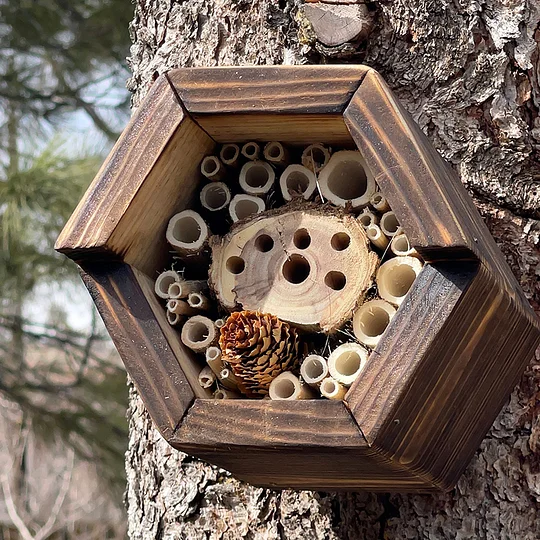
Finally, you will require some bait to attract the wood bees. Natural options like a mixture of sugar and water or juice can be effective. These not only draw in the bees but also align with the eco-friendly concept of your project. Make sure to read product labels and choose products that are organic and free from pesticides to safeguard the bees and other local wildlife. With these materials in hand, you are ready to begin working on constructing your wood bee trap.
Step-by-Step to Creating the Bee Trap
Begin by gathering your resources. You will need untreated wood, such as cedar, a handsaw, wood screws, a drill, and safe for bees wood glue. These materials will make sure the trap remains sustainable. It's crucial to avoid pressure-treated wood, as it contains chemicals that can be harmful to honeybees. Chop the wood into sections according to your preferred dimensions, typically a rectangular box that allows simple access for the bees.
Then, construct the pieces of wood to form the trap structure. Begin by constructing the base and sides, making sure to leave gaps for bee entry. Utilize the wood screws and glue to fasten the joints tightly. Once the main body of the trap is finished, you can create a roof to protect it from rain and other elements. This roof should be somewhat inclined to allow water to drain off. Be sure to bore holes or create entry points that are suitable for the size of your target bee species.
Finally, finish the trap by optionally painting it with natural paint or keeping it unpainted for a natural look. After finishing, place the trap in a well-lit spot where bees are active. Check periodically to ensure it is not blocked and remains in good condition. By adhering to these steps, you will have an operational and eco-friendly wood bee trap set up.
Advice for Attracting and Observing Bees
To draw bees to your wood bee trap, consider placing it in areas where bees frequently visit. This could be near blooming plants, trees, or shrubs that are known to entice bees. Bright colors can also draw their attention, so think of painting your trap in shades of blue or yellow, as these colors are particularly attractive to many bee species. Ensuring the trap has a pleasant scent, possible by adding a bit of sugar water or fruit, may also help entice them.
Checking your bee trap is essential for assessing its effectiveness. Check the trap regularly, preferably every few days, to observe if any bees have entered. Carpenter Bee Hive is crucial to make sure the trap is working properly and to clean it out as needed to prevent any mold or unwanted pests from taking over. Keeping a log of your findings can help you spot patterns regarding which places or times are best for capturing bees.
Finally, consider setting up several traps at various locations to boost your chances of luring more bees. Each trap can be slightly modified in terms of design or bait to see which variations work best. By experimenting with different setups and checking the results, you can improve your approach and make your wood bee trap even more effective over time.