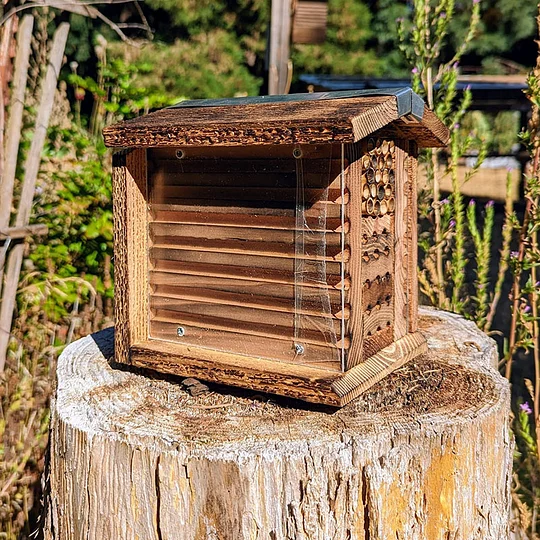
Lately, the importance of sustainable living has gained significant attention, prompting people to seek methods to support local ecosystems. One captivating and important way to contribute to the environment is by building a bespoke bee house for your yard. As the numbers of bees continues to decline due to the loss of habitats and pesticide use, providing a protected and welcoming space for these crucial pollinators is more important than ever.
Creating a personalized bee house not only aids in the conservation of these remarkable insects but also enriches your gardening journey. By attracting independent bees, such as mason bees and leafcutter bees, you can enhance the fertilization of your plants, leading to a more lush and productive garden. In this write-up, we will explore how to design and build a bee house customized to the needs of these bees, offering both a sanctuary for them and a pleasant addition to your garden.
Supplies Required
To make a personalized bee house, begin with the fundamental structure. You will need untreated wood, such as pine, which is durable and friendly for bees. Cut the wood into various sizes to form the front, back, sides, and roof of your house. Make sure to use chemical-free wood glue or screws to assemble the pieces, as toxins can be dangerous to the bees.
Next, focus on the internal parts of the bee house. You will require various types of tubes to serve as nesting cavities for solitary bees. Cardboard tubes, or straws can all work well. Ensure these tubes are of varied diameter sizes to entice a variety of bee species. Additionally, consider adding a small amount of organic straw or wood shavings to provide insulation and comfort.
In conclusion, gather materials for finishing touches. Natural finishes such as honey wax or linseed oil can be used to the exterior for weatherproofing. Custom Bee House may also want to include mounting equipment, like screws or hooks, for attaching the bee house securely in your garden. Create decorative features from stones, twigs, or even a small roof overhang to protect the entrance from rain and sun. spintax ### Step-by-Step Construction
To build a custom bee house, first, select the best materials. You'll need untreated wood like cedar for the structure and hollow plant stems for nesting tubes. Do not use treated wood, as toxic substances can harm bees. Gather equipment including a wood saw, power drill, screws, and a tape measure to ensure precise cuts and fittings.
First, cutting the wood into pieces for the bottom, rear, face, sides, and top of the bee house. A good size for the house is about 12 inches wide, 14" high, and 6" deep. Assemble the frame using screws, ensuring it's robust enough to withstand the elements. Once the basic structure is in place, drill holes into the front face, making sure they vary in size to fit different bee species.
After that, add the nesting tubes or plant stems into the holes you've created. Space the tubes evenly for easy access. carpenterbeehouse can enhance the design by including a roof overhang to protect the opening from rain and ensuring proper drainage. Finally, mount the bee house 3 feet above ground level in a well-lit location, facing the south or the southeast, to create a friendly environment for your garden's pollinators.
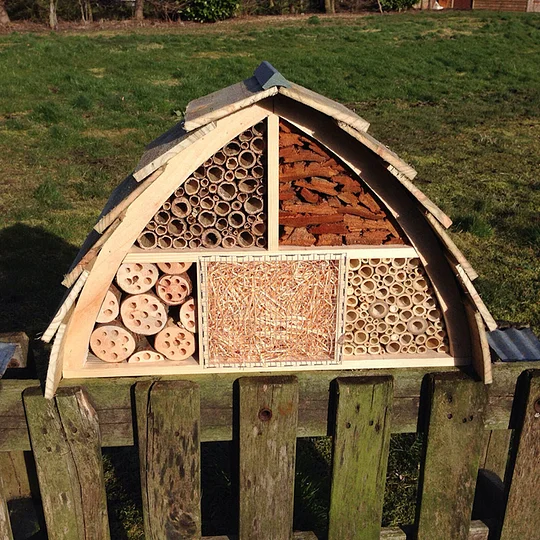
Upkeep Tips
To ensure the durability and efficiency of your custom bee house, routine maintenance is essential. Begin by inspecting the design at a minimum of once a season. Look for indicators of damage, such as damaged wood or loosened joints, and conduct required repairs. Clearing out Carpenter Bee House nesting materials, particularly in the fall, aids prevent vermin and illnesses from lingering in the house, fostering a healthier environment for the upcoming year's bee population.
A further crucial aspect of maintenance is monitoring for unwanted insects. Bees are at risk to different harmful organisms, so inspecting your bee house for any evidence of infestations is essential. Get https://www.carpenterbeehouse.com/collections/carpenter-bee-holes of any unwanted invaders like bees that are not yours promptly. It may also be advantageous to provide some protective measures, such as a tiny entrance reducer, to keep bigger pests at bay while allowing bees unencumbered access to their home.
In conclusion, reflect on the location of your custom bee house in relation to the changing climate. If you observe the structure is experiencing less light or becoming too obscured as trees grow, you could have to move it. A properly situated bee house, with ample sunlight and minimal disturbance, ensures that it stays inviting for bees throughout the seasons.