In recent years, the importance of pollinators in our ecosystems has become prominent of discussions about the environment. Among these vital creatures are the often ignored carpenter bees, which are essential in pollinating of the plants and crops we need. As their habitats face heightened risks from urban sprawl and pesticides, providing safe spaces for these bees is essential for their survival and the health of our gardens and landscapes.
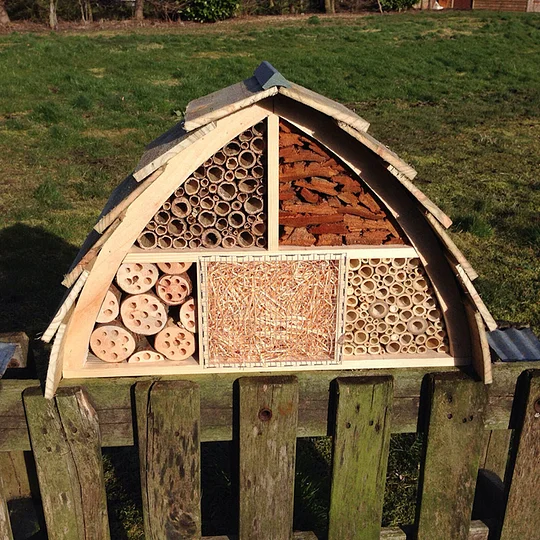
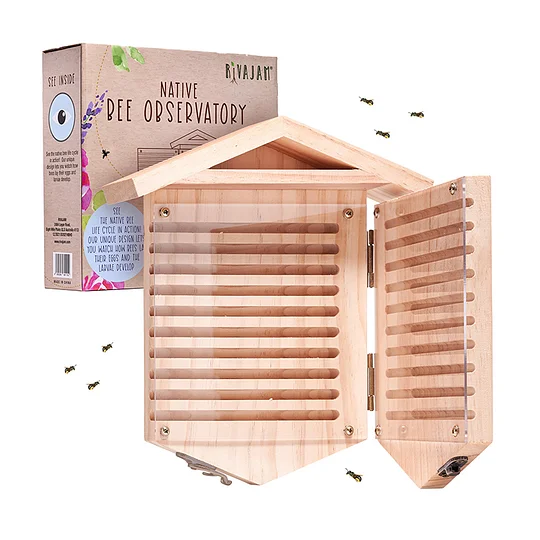
One effective way to help carpenter bee populations is by creating carpenter bee houses. These easy but effective structures offer a protected area for nesting for these industrious insects, promoting them to flourish in our backyards. By creating carpenterbeehouse welcoming space, we can actively participate in the preservation of these important pollinators while also supporting biodiversity and sustainability within our communities. As we investigate the process of building carpenter bee houses, we will uncover the benefits they offer to the bees but also to our ecosystems and personal gardens.
Constructing Successful Carpenter Beehive Nests
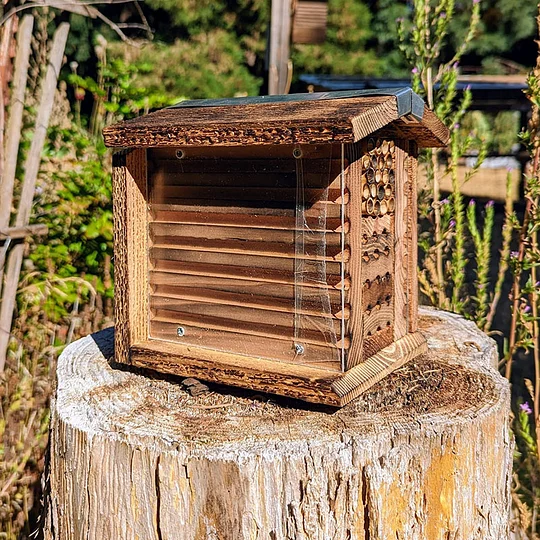
Building an effective carpenter bee house begins with picking the right materials. Raw wood are ideal, as it resembles the bees' typical nesting sites. Materials such as fir are preferred because they have a extended lifespan and are more resistant to the environment. Steer clear of employing treated wood or artificial materials, as they may be injurious to the bees. Additionally, including various sizes of nesting holes can accommodate the varying preferences of female carpenter bees, increasing their likelihood to reside the house.
The structure of the bee house should guarantee proper ventilation and drainage. Carpenter bees prefer a slightly humid environment within their nests, but too much moisture can result in mold growth. Adding small holes at the underside of the structure facilitates drainage, while holes at the upper part or flanks promote airflow. A roof that extends is also essential to shield the nesting compartments from rain, providing a safe and dry environment for the bees to flourish.
Placement of the carpenter bee house is just as significant as its design. To lure carpenter bees, place the house in a well-lit, protected location with a south or southeasterly exposure. Verify it is installed at least 3 feet above ground level, ideally on a post or wall where it can stay undisturbed. Surrounding the bee house with indigenous flowering plants will encourage bees to come, providing them with essential food sources while promoting pollinator protection in your garden.
Materials for Sustainability
When building a bumble bee house, choosing the right materials is essential for maintaining sustainability and longevity. Selecting Custom Bee House , such as cedar or pine, is perfect because these types are intrinsically durable and resistant to rot. Avoid using chemically treated wood, as the additives in it can be dangerous to bees. By selecting organic materials, you support the environment and provide a protected habitat for these important pollinators.
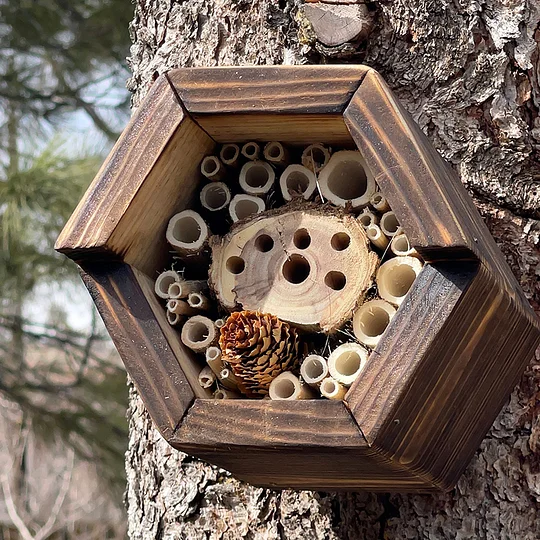
Additionally, using repurposed or rescued wood can enhance the sustainability of your carpenter bee house. Using leftover materials not only reduces waste but also gives a renewed value to resources that would otherwise be thrown away. By obtaining materials from nearby places, you further diminish the carbon footprint associated with transport and support local economies, making your project eco-conscious and community-oriented.
Finally, think about using natural finishes or sealants to preserve the wood without harming the bees. Products made from non-toxic ingredients or those certified as bee-friendly are great choices for ensuring that your carpenter bee house remains safe for its inhabitants. By emphasizing sustainable materials and practices, you contribute to pollinator protection while creating a practical and lasting home for carpenter bees.
Care and Placement Factors
When positioning your carpenter bee house, it is essential to select an area that is protected from harsh weather elements. A location with a bit of sunlight is best, as carpenter bees thrive in hotter environments. However, avoid direct sunlight for extended periods, which could heat up the nesting sites. Placing Carpenter Bee Hive about six feet off the ground on a robust structure like a post or wall will help protect it secure from predators and allow simple access for the bees.
Consistent maintenance of the carpenter bee house is crucial to ensure its longevity and effectiveness. Examine the house at least once a year, preferably in the spring, to check for evidence of wear and tear or wear. Check for signs of pests or mold and clean out any worn nesting materials that may affect new occupants. If you notice excessive wear, consider repairing or replacing the house to provide a secure and welcoming environment for new bees.
Establishing a diverse habitat around the carpenter bee house can significantly enhance its attractiveness. Planting native flowers that bloom at different times during the year will provide essential food sources for the bees. Additionally, making sure that the surrounding area is clear of pesticides will encourage a better ecosystem, encouraging not only carpenter bees but also other pollinators to prosper in your garden.